

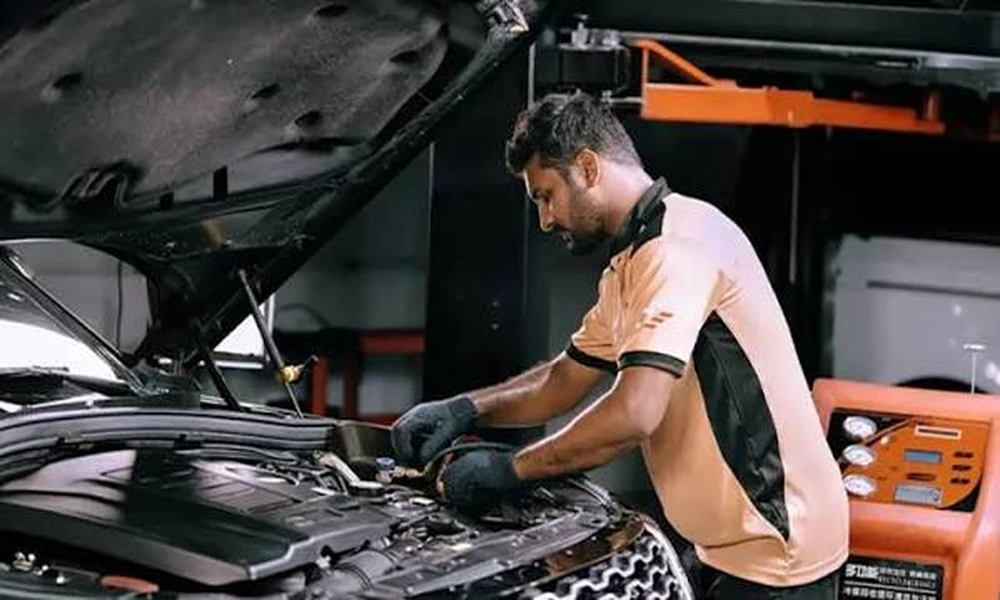
Your vehicle braking system requires regular maintenance for optimal performance. The safety of every passenger depends on these components. Over time everyday driving wears down these crucial parts. Therefore drivers must understand the importance of timely replacement. Reliable parts ensure smooth stops under stressful driving conditions. Auto Repair in Sugar Land, TX stands as a key industry standard for automotive safety metrics. Precision manufacturing guarantees that every component fits your vehicle flawlessly. This article explores the replacement process and quality standards.
The Signs of Worn Braking Components
Sometimes your car will provide clear warning signs. You might hear loud squealing noises during sudden stops. This high-pitched sound indicates severely thin friction material. Now you should check the component thickness immediately. Vibrations in the steering wheel also signal warped surfaces. Mechanical failures can happen when you ignore these early indicators. Consequently drivers must monitor their vehicle braking response closely. Texan Auto Repair offers excellent inspection guides for concerned vehicle owners. Regular inspections prevent costly damage to other connected wheel parts.
The Precision Engineering of Brake Pads
Brake pads compress against the spinning metallic discs. This intense friction converts kinetic energy into thermal energy. Therefore manufacturers must use highly durable raw materials. The blending process requires exact measurements for consistent density. Any structural flaw can cause premature component cracking later. Then the vehicle stopping distance increases quite dangerously. However advanced quality control systems prevent these manufacturing defects. Texan Auto Repair utilizes ultra-precise molding machines during the shaping stage. This strict production standard guarantees reliable performance across all temperatures.
The Step by Step Replacement Process
The mechanical replacement process requires specific tools and patience. First the technician lifts the vehicle and removes the wheels. Then they detach the heavy metallic caliper from the assembly. The old worn pads slide out of their slots easily. After that the mechanic removes the old rusted disc. The new rotor fits directly onto the clean wheel hub. Next the fresh pads go into the cleaned caliper bracket. Finally the technician pumps the pedal to restore hydraulic pressure.
FAQs
When should I replace my brake pads?
You should replace them when friction material becomes thin.
How do I identify a bad rotor?
You will feel strange vibrations through the steering wheel.
Can I replace pads without replacing rotors?
Sometimes you can if the discs are perfectly smooth.
Why does precision quality control matter for cars?
It prevents unexpected component failure during emergency stopping situations.
