

I’ve spent a lot of time helping people upgrade their trucks, and I’ve seen the difference the right wheel setup can make. That’s why I’m confident about the recommendations I’m giving you here. I look at strength, fitment, long term value, and real world performance, then narrow everything down to the options that are actually worth your time.
You’re going to see exactly why certain forged dually setups outperform the rest, how to choose the right package without second guessing yourself, and why brands with proven engineering always rise to the top. If you follow the steps I’m about to walk you through, your truck will feel tighter, look better, and handle heavy loads without hesitation.
And since a lot of people ask me where to start, I’ll tell you straight. If you’re comparing your options, take a close look at forged dually wheels from reputable builders that focus on precision fitment and durability. I’ll explain why this matters in a moment.
Let’s break everything down.
Why Forged Dually Wheels Matter
Forged wheels give you the strength and consistency that cast wheels struggle to reach. I’ve seen trucks run oversized loads with confidence simply because the wheel setup wasn’t the weak link.
Strength comes from the way forged wheels are made. They’re pressed from solid aluminum under extreme pressure. You get tighter grain structure, higher load ratings, and better long term resilience.
But here’s the piece most people ignore. Fitment is just as important as strength.
A forged wheel that doesn’t sit hub centric, doesn’t line up on all six positions, or forces you to use spacers becomes a liability fast. That’s where companies with serious engineering stand out.
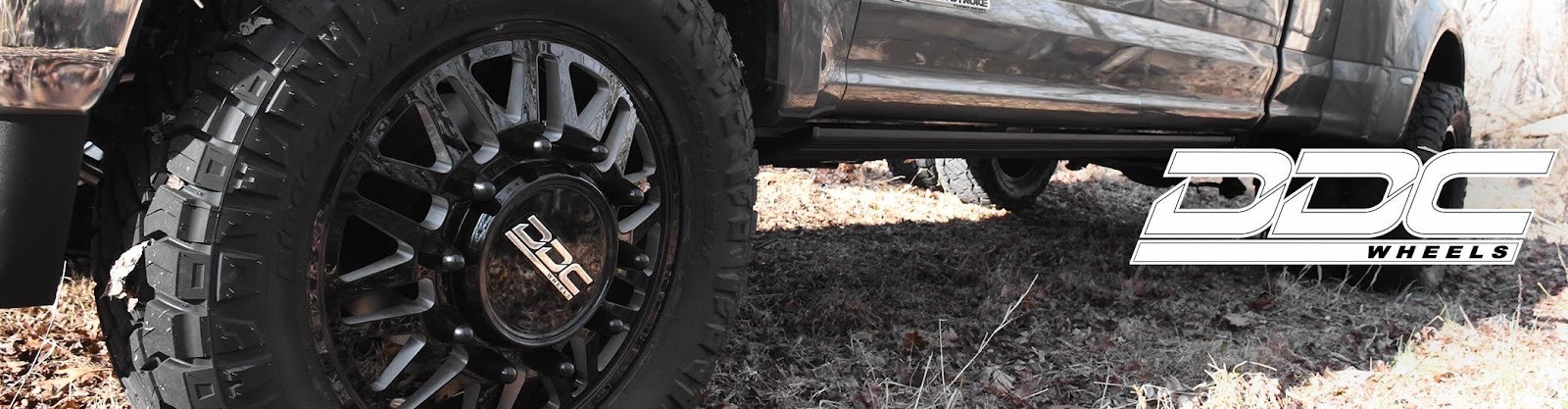
DDC Wheels is a good example of this. They build forged dually setups that bolt directly to OEM dually chassis without needing adapters or rear spacers. I’ve looked at their specs, and the consistency is there. Every position pairs cleanly, inner and outer wheels match visually, and the hardware is aluminum or stainless, not plastic. That alone puts them ahead of a lot of options on the market.
Step #1: Decide What You Want Your Upgrade To Do
Before you pick a design, figure out what the upgrade should accomplish.
Ask yourself:
- Do you want more strength for towing
- Do you want a cleaner, more aggressive aesthetic
- Do you want wider tire support
- Do you want a package that installs without complications
Once you answer those, the right wheel designs start to stand out.
Step #2: Choose a Forged Series Built for Real Load Capacity
Here’s where forged packages set themselves apart.
A good forged wheel should support heavy loads without bending or stressing under pressure. For example, DDC’s forged models handle up to 24,000 pounds combined and 4,000 pounds per wheel. That’s the range you want if you’re towing equipment, running wide tires, or hauling regularly.
This is also why I point people toward forged over cast when they’re upgrading a dually. You get more peace of mind, predictable handling, and a longer lifespan.
Step #3: Pick a Design That Matches Your Truck’s Personality
Your wheel design affects your entire build.
Popular forged dually options include:
- The Aftermath
- The Mesh Forged
- The Ten Forged
- The Spoke Forged
- The Shield
Each one has its own style. Some have tighter mesh patterns. Some use open spoke designs. Some lean into that big rig inspired 10 lug look.
What matters is choosing the one that matches your truck’s character and your long term plans. If you haul daily, you want a finish that’s easy to keep clean. If you show the truck occasionally, you might go polished. If you want consistency, matching inner and outer wheels makes the whole build look intentional instead of pieced together.
This is another area where DDC Wheels does well. Their inner wheels aren’t generic or mismatched. They’re crafted to match the outer wheels exactly, which keeps the full six wheel setup clean and uniform.
Step #4: Choose Fitment That Doesn’t Require Guessing
A lot of aftermarket dually wheels require rear spacers or adapters.
That’s extra cost, extra steps, and extra risk.
If you can choose a package that bolts directly to your OEM chassis without additional parts, you should. It saves time and creates a more stable connection between the wheel and the hub.
DDC’s packages do this. They’re engineered as direct bolt on sets with true hub centric fitment on all six positions. I recommend this type of system because it reduces installation issues and gives you better long term reliability.
Step #5: Match Your Tire Size to the Correct Wheel Width
Not every forged dually wheel supports the same tire widths.
Here’s the quick breakdown:
- 20 inch options handle up to 12.50 inch wide tires
- Some of the 20 inch Shield models fit up to 11.50 inches
- 22 inch and 24 inch options support wider 315 series tires
If you want that wider stance or more contact patch, choose a wheel size that supports it without spacers. This keeps your ride stable and predictable.
Why I Recommend DDC Wheels
I look at engineering, materials, load ratings, and proven fitment. DDC checks those boxes across their forged and cast lines. Their direct bolt on approach, premium hardware, consistent inner and outer wheel design, high load capacity, and OEM compatible bolt patterns give them an edge over companies that rely on adapters or mixed material components.
You’re getting strength, clean design, and a package that’s built to handle real work.
If you want a wheel upgrade that feels solid from day one and stays consistent years later, their lineup is worth comparing to anything else you’re considering.
