

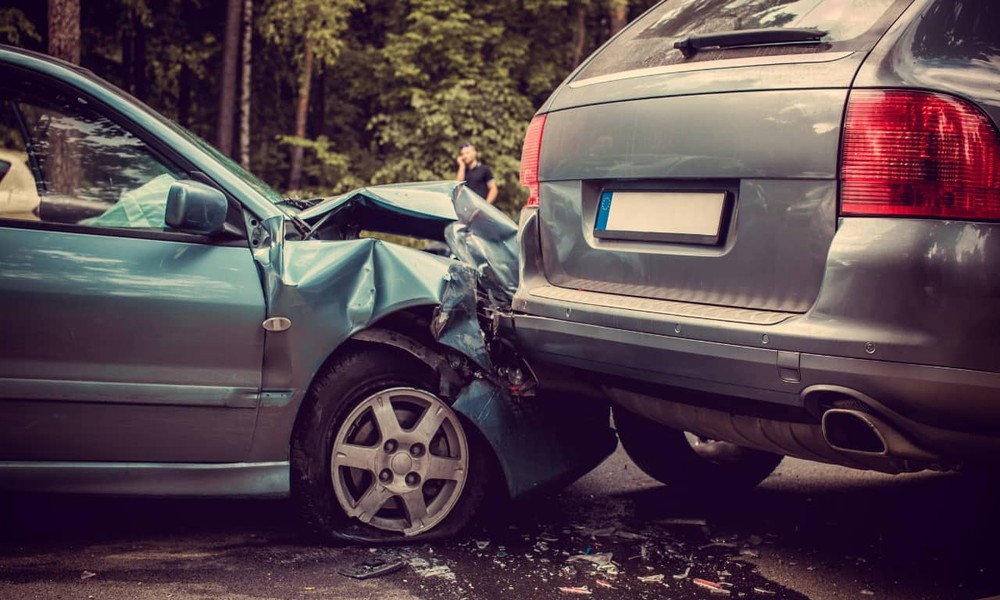
After an accident, first make sure everyone is safe, then inform your insurer, record the damage, register the claim, and wait for inspection before major repairs. That is the fastest way to protect your rights under car insurance and avoid delays or rejection.Think of a Bengaluru office commuter who gets bumped at a signal and is unsure whether to move the car, call the insurer, or drive to a garage. The practical order is simple:
- Ensure safety and shift only if the spot is dangerous
- Take photos and note time, place, and vehicles involved
- Call the insurer within the claim intimation timeline
- Follow surveyor inspection and repair guidance
From there, your path is usually cashless at a network garage or a reimbursement claim at a non-network garage, depending on policy terms.
First, protect people and record the scene
Safety comes before paperwork after any accident. Check if anyone is injured, switch on hazard lights, and move the car to a safer spot only if it can be done without risking more harm. If there are injuries, a road blockage, or a serious collision, call emergency help and the police right away.
If people are hurt, help first and document second.
Use this quick checklist:
- Check driver, passengers, and others for injuries
- Note the exact time and location
- Take clear photos and a short video of damage, number plates, skid marks, and the road
- Record the other vehicle numbers and driver details
- Ask witnesses for names and phone numbers
This proof supports your car insurance claim later. A few minutes of accurate evidence can prevent repair disputes, false blame, or missing details during insurer review.
Tell your insurer fast to start the car insurance claim
Once everyone is safe and the scene is documented, tell your insurer as soon as possible. Delay can make approval harder and may raise questions about what actually happened. Most companies let you start a car insurance claim by app, helpline, website, or agent, so use the fastest option you can access on the spot or soon after reaching safety.Share the basics clearly:
- policy number
- date, time, and location
- how the accident happened
- photos or video
- car damage details
- injury or third-party loss, if any
If your bumper is damaged after hitting a divider, that is usually your own damage claim process. If you injured another person, damaged someone else’s car, or there is legal liability, it moves into a third-party situation and the paperwork usually gets heavier.Ask for and save the claim reference number immediately.That number helps you track surveyor inspection, document requests, and next steps under your insurer’s policy wording and IRDAI-linked guidance.
Keep these documents ready so your claim does not stall
After claim intimation, documentation becomes the next big factor. Missing documents are one of the biggest reasons a claim gets delayed, even after the accident details are reported on time. Keep a basic file ready before the vehicle goes to the workshop, because the insurer, surveyor, and garage may all ask for the same papers at different stages.
- RC book: proves the vehicle details and ownership.
- Driving licence: confirms the driver was legally allowed to drive.
- Policy copy: helps the insurer verify cover, add-ons, and claim conditions.
- Signed claim form: records your version of the accident.
- Accident photos: support damage proof before repairs begin.
- Repair estimate: helps with approval and surveyor inspection.
- Bank details: needed for any reimbursement claim.
An FIR for car accident insurance is usually asked in theft, major injury, third-party loss, or serious road accident cases. For minor own-damage claims, insurer policy wording may allow a simpler route.
Choose cashless repair or reimbursement based on what saves you more hassle
Once the insurer has your basic claim details, the next choice is how you want the repair handled. Both routes work, and the better choice depends on where the car is, whether the garage is in your insurer’s network, and how much paperwork you can handle.A cashless car insurance claim is usually simpler. You take the car to a network garage, the insurer sends or assigns surveyor inspection, and approved repair costs are settled directly with the workshop. You may still pay deductibles, depreciation, or non-covered parts.A reimbursement claim gives you more freedom if the nearest trusted garage is outside the network. You pay the bill first, then submit invoices, photos, claim form, and repair records for review.
- Cashless: Less upfront payment, easier coordination
- Reimbursement: More garage choice
If your car is stranded in a smaller town, reimbursement may be the practical route.
If you have new car insurance, check add-ons before you approve repairs
Before you approve major work, it is worth checking exactly what your policy includes. First-time car owners often approve repairs too quickly and miss benefits already built into their new car insurance policy. Check your schedule and add-ons so you know what the insurer may pay, what needs approval, and what could still come from your pocket.Confirm coverage first, then approve parts replacement.Zero depreciation can reduce deduction on replaced parts, while engine protection may matter after water ingression or oil leakage after impact. Roadside assistance helps if the car cannot move, and return-to-invoice can matter in total loss or theft cases.A quick call now can prevent avoidable out-of-pocket costs later.
But wait: does every accident need an FIR or guarantee full claim approval?
A common misunderstanding is that every accident automatically needs an FIR or that filing a claim means the full garage bill will be paid. No, not every accident needs an FIR, and no, a claim does not guarantee the full repair bill will be paid. FIR for car accident insurance is usually needed in serious cases like injury, death, theft, major third-party damage, or when the insurer asks for it under policy terms.Claim approval depends on policy coverage, documents, and survey findings.A small parking scrape may only need photos, claim intimation, and garage inspection. Final payout can still reduce due to:
- compulsory deductible
- depreciation if you do not have zero-dep cover
- exclusions like drunk driving or invalid licence
That is why surveyor inspection often decides what is actually payable.
What to do next: file, follow up, and check the settlement carefully
If the accident has already happened, the best next step is to start the claim today and move through the process in order. Quick action reduces disputes on timing, damage, and repair approval, especially when your insurer asks for a surveyor inspection before work begins.Do not approve major repairs before your insurer records the damage.
- Inform insurer and get claim number
- Gather RC, licence, policy, photos, bills, FIR if needed
- Arrange inspection
- Pick cashless or reimbursement claim
- Check deduction, depreciation, and approved amount before signing
Conclusion
Most claims go more smoothly when you act fast, save proof, and follow your insurer’s steps without guessing. A quick photo set, same-day intimation, and the right papers often matter more than arguing later at the workshop or on calls.Fast action and clear records usually decide whether a claim moves cleanly or gets delayed.Before another emergency, read your car insurance policy wording, check claim support numbers, and know what your insurer expects so you are not figuring it out after the crash.
